
ECLGS 5.0: MSME Credit Guarantee, Business Resilience & UPSC GS-III Analysis
UPSC Mains Syllabus Mapping
Paper: General Studies Paper III
Subject: Indian Economy
Official Syllabus Linkage: Indian Economy and issues relating to planning, mobilization of resources, growth, development and employment; Inclusive Growth and issues arising from it.
Topic: MSME Financing, Credit Guarantee Mechanism and Business Resilience
Current Affairs Date: 5 September 2026
Primary Source: Press Information Bureau (PIB), Ministry of Finance / Department of Financial Services
UPSC Relevance: High
Why in News?
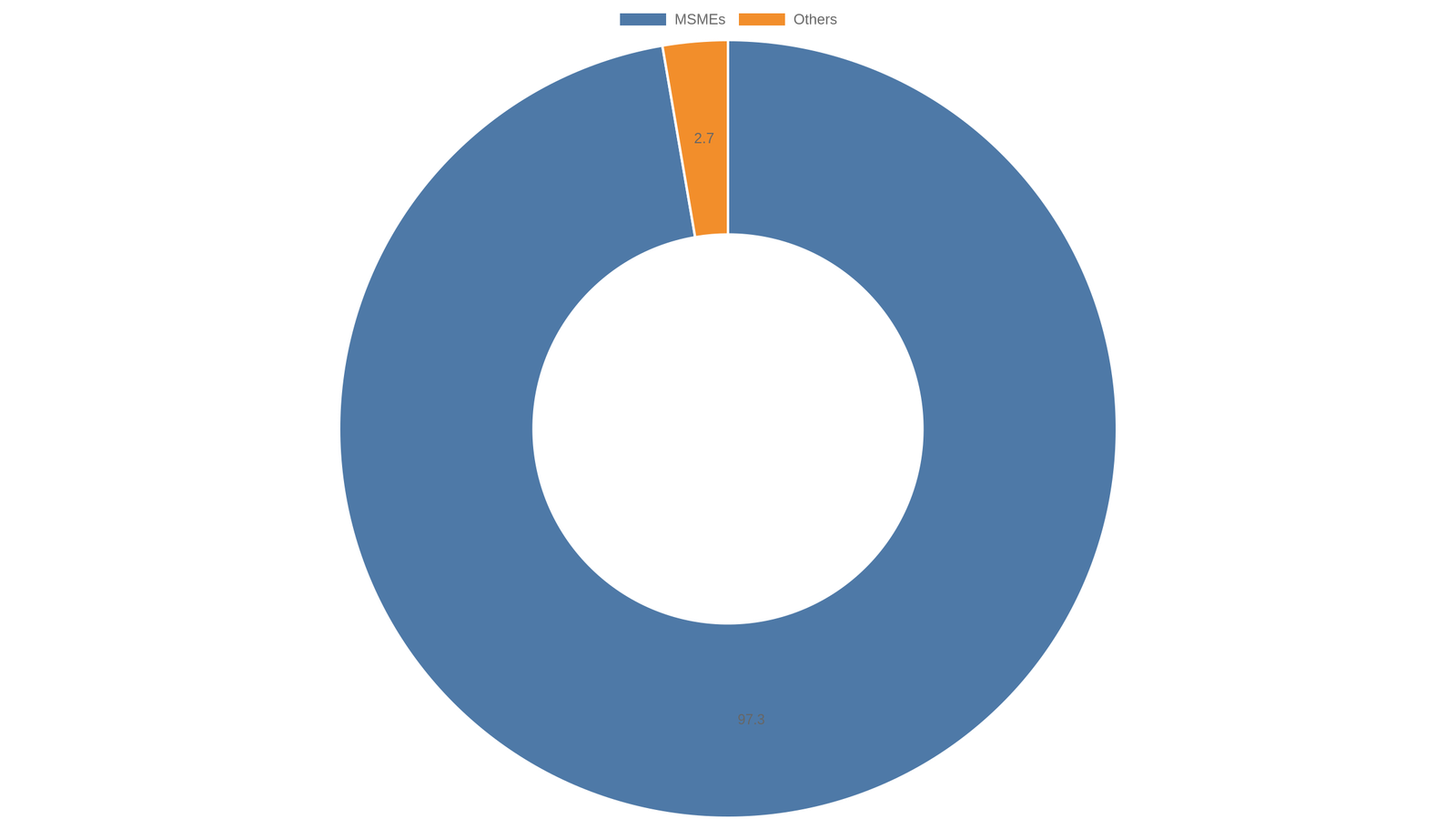
On 5 September 2026, the Press Information Bureau released a detailed backgrounder on the Emergency Credit Line Guarantee Scheme 5.0 (ECLGS 5.0). The update showed rapid uptake of the scheme: as on 20 August 2026, 6,73,979 guarantees had been issued for a total guaranteed amount of ₹2,50,024 crore. MSMEs accounted for 97.3% of guarantees by number and 80.79% of the guaranteed amount.
This makes ECLGS 5.0 important not merely as a government scheme but as a case study in credit guarantees, counter-cyclical policy, MSME resilience, employment protection and the transmission of geopolitical shocks into the domestic economy.
What is ECLGS 5.0?
ECLGS 5.0 is a government-backed credit guarantee mechanism. It does not mean that the government directly lends money to every enterprise. Instead, the National Credit Guarantee Trustee Company Limited (NCGTC) provides guarantee cover to eligible Member Lending Institutions (MLIs) for additional credit extended to qualifying borrowers.
The mechanism can be understood as:
Government-backed guarantee → lower credit risk for lenders → additional working-capital lending → business continuity → employment and supply-chain resilience.
The eligible lending ecosystem includes scheduled commercial banks, scheduled urban co-operative banks, financial institutions and eligible NBFCs. The scheme supports MSMEs, eligible non-MSME businesses and scheduled passenger airlines.
Why was ECLGS 5.0 introduced?
The Union Cabinet approved ECLGS 5.0 on 5 May 2026 against the backdrop of the West Asia situation. The geopolitical shock had implications for energy and transport costs, international aviation, airspace availability and working-capital requirements. Airlines, for example, faced pressures from higher aviation turbine fuel prices, airspace restrictions and lower aircraft utilisation on some international routes.
For UPSC, the analytical linkage is important:
Geopolitical disruption → higher input and transport costs → cash-flow stress → greater working-capital requirement → risk aversion among lenders → need for a credit guarantee intervention.
Key Features of ECLGS 5.0
| Feature | Provision |
|---|---|
| Total additional credit flow envisaged | ₹2.55 lakh crore, including ₹5,000 crore earmarked for airlines |
| Guarantee coverage for eligible MSMEs | 100% |
| Guarantee coverage for eligible non-MSMEs and scheduled passenger airlines | 90% |
| Implementing guarantee institution | NCGTC |
| MSME / eligible non-MSME additional credit | Up to 20% of peak fund-based working-capital outstanding in Q4 FY 2025–26, subject to a ceiling of ₹100 crore per borrower |
| Loan tenure | 7 years from first disbursement, including a 2-year moratorium |
| Scheme availability | Until 31 March 2027 or until guarantees of ₹2.55 lakh crore are issued, whichever is earlier |
Eligibility: What should UPSC aspirants remember?
For MSMEs and eligible non-MSMEs, the scheme is primarily meant for existing borrowers who had working-capital facilities from MLIs as on 31 March 2026. Their credit facilities should be standard, excluding SMA-2; in practical terms, repayments should not be overdue by more than 60 days as specified in the scheme framework.
The scheme therefore tries to support otherwise viable businesses facing temporary liquidity stress, rather than treating additional debt as a solution for every structurally unviable enterprise.
Special Window for Scheduled Passenger Airlines
Scheduled passenger airlines are eligible for additional credit up to 100% of the total peak credit outstanding, including fund-based and non-fund-based credit, during Q4 FY 2025–26, subject to specified conditions and a ceiling of ₹1,500 crore per borrower. For amounts above ₹1,000 crore and up to ₹1,500 crore, proportionate promoter/owner equity contribution is required.
This differentiated design reflects the capital-intensive nature of aviation and its sensitivity to fuel prices, airspace closures and international disruptions.
Interest, Guarantee Fee and Repayment
The PIB backgrounder notes that no guarantee fee is payable by MLIs under the scheme. For MSMEs, lending rates are linked to EBLR, while eligible non-MSMEs are linked to MCLR, with specified margins and an overall ceiling of 9% per annum. The loan tenure is up to seven years, including a two-year moratorium, which provides time for cash flows to normalise.
ECLGS 5.0 in Action
As on 20 August 2026:
- 6,73,979 guarantees had been issued.
- The total guaranteed amount had reached ₹2,50,024 crore.
- MSMEs accounted for 97.3% of guarantees by number.
- MSMEs accounted for 80.79% of the total guaranteed amount.
Eligible borrowers can also access the scheme through the Jan Samarth Portal. Outreach has involved State Level Bankers’ Committees, banks, NBFCs, NCGTC, industry associations and other stakeholders.
How is ECLGS 5.0 different from a Loan Waiver?
A loan waiver extinguishes or reduces an existing liability of the borrower. A credit guarantee, by contrast, protects the lender against a specified share of future default risk so that credit continues to flow. This makes a guarantee a more market-compatible intervention, but it is not fiscally costless: if defaults rise sharply, the guarantee can crystallise into a contingent fiscal liability.
Why is ECLGS 5.0 important for MSMEs?
1. Working-capital support
MSMEs often face short cash-flow cycles and limited collateral. Additional working capital can help them pay wages, buy raw materials and continue production during a shock.
2. Employment protection
MSMEs are major employment generators. Preventing viable enterprises from shutting down can reduce layoffs and income losses.
3. Supply-chain resilience
Small firms often operate as suppliers to larger manufacturing and service networks. Failure of a small supplier can create cascading effects across a value chain.
4. Financial formalisation
Institutional credit, digital access and Udyam-linked identification can deepen the formal financial footprint of small enterprises.
5. Counter-cyclical support
During uncertainty, private lenders may become risk-averse. A public guarantee can partially offset this tendency and sustain credit flow when it is most needed.
Link with Inclusive Growth
ECLGS 5.0 is relevant to the UPSC theme of inclusive growth because MSMEs are spread across manufacturing, services, small towns and regional clusters. Credit continuity can support employment, local incomes and entrepreneurship beyond major metropolitan centres. However, inclusive outcomes depend on whether smaller and more vulnerable firms actually receive timely credit rather than the benefits being concentrated among stronger borrowers.
Key Challenges
- Moral hazard: High guarantee coverage may weaken lender incentives for careful underwriting if not monitored properly.
- Liquidity versus solvency: Additional debt can help a temporarily stressed but viable firm; it may worsen the position of a fundamentally unviable firm.
- Debt burden: Credit support is still debt and must eventually be repaid.
- Fiscal risk: Government guarantees can become actual fiscal liabilities if defaults rise.
- Credit additionality: Policy must ensure that guarantees generate genuinely additional and useful credit, rather than simply transferring existing private risk to the public balance sheet.
- Uneven access: Small enterprises with weaker documentation or lower banking penetration may still face access barriers.
Way Forward
- Use viability-based lending and distinguish temporary liquidity stress from structural insolvency.
- Monitor credit distribution by enterprise size, sector and geography.
- Use GST, banking and cash-flow data prudently to improve credit assessment without excluding small firms.
- Ensure timely and predictable settlement of guarantee claims to maintain lender confidence.
- Combine credit support with technology adoption, skilling, market access, export support and digitalisation.
- Maintain transparency on contingent liabilities and periodically evaluate employment, survival and productivity outcomes—not merely sanctioned credit.
- Design a clear exit strategy so that emergency guarantees do not become permanent dependence.
UPSC Mains Perspective
The scheme should not be memorised only through figures. UPSC may frame the issue around government credit guarantees, MSME financing, counter-cyclical policy, inclusive growth, contingent liabilities or economic resilience to geopolitical shocks.
A balanced answer should show both sides:
External shock → liquidity stress → government guarantee → bank credit → business continuity → employment and growth
but also:
High guarantee coverage → moral hazard / weak credit appraisal → possible defaults → contingent fiscal cost.
Conclusion
ECLGS 5.0 shows how the state can use the banking system rather than direct budgetary transfers alone to cushion viable businesses during a shock. Its success should ultimately be judged not simply by the volume of guarantees issued, but by whether it preserves productive capacity, jobs and supply chains without creating unsustainable debt or excessive fiscal risk.
UPSC Mains Practice Question
“Credit guarantee schemes can serve as effective counter-cyclical instruments, but they also create risks of moral hazard and contingent fiscal liabilities.” Discuss the statement in the context of ECLGS 5.0. (250 words, GS Paper III)
Answer Framework: Define credit guarantee → explain the context and features of ECLGS 5.0 → discuss MSME liquidity, jobs and resilience → analyse moral hazard, debt and fiscal risks → suggest targeted monitoring and exit strategy → balanced conclusion.
Prelims Check
Q1. With reference to ECLGS 5.0, consider the following statements:
- It is implemented through NCGTC.
- Eligible MSME loans may receive 100% guarantee coverage.
- It is restricted only to MSMEs.
- Scheduled passenger airlines are also covered.
(a) केवल 1 और 2
(b) केवल 1, 2 और 4
(c) केवल 2, 3 और 4
(d) सभी चार
Answer: 1, 2 and 4 only.
Q2. Which one of the following best describes a credit guarantee scheme?
(a) The government waives an existing loan of the borrower
(b) The government protects the lender against a specified share of default risk
(c) The central bank directly gives grants to enterprises
(d) The government converts every MSME loan into equity
Answer: (b)
Official Sources
ईसीएलजीएस 5.0: एमएसएमई क्रेडिट गारंटी, व्यवसायिक लचीलापन और UPSC GS-III विश्लेषण
UPSC मेन्स सिलेबस मैपिंग
पेपर: सामान्य अध्ययन पेपर III
विषय: भारतीय अर्थव्यवस्था
आधिकारिक सिलेबस लिंक: भारतीय अर्थव्यवस्था तथा नियोजन, संसाधनों की जुटान, वृद्धि, विकास और रोजगार से संबंधित मुद्दे; समावेशी विकास तथा उससे उत्पन्न मुद्दे।
टॉपिक: एमएसएमई वित्तपोषण, क्रेडिट गारंटी तंत्र और व्यवसायिक लचीलापन
करंट अफेयर्स तिथि: 5 सितंबर 2026
प्राथमिक स्रोत: प्रेस सूचना ब्यूरो (PIB), वित्त मंत्रालय / वित्तीय सेवा विभाग
UPSC प्रासंगिकता: उच्च
चर्चा में क्यों?
5 सितंबर 2026 को प्रेस सूचना ब्यूरो ने आपातकालीन क्रेडिट लाइन गारंटी योजना 5.0 (ECLGS 5.0) पर विस्तृत बैकग्राउंडर जारी किया। 20 अगस्त 2026 तक इस योजना के अंतर्गत 6,73,979 गारंटियां जारी की जा चुकी थीं और कुल गारंटीशुदा राशि ₹2,50,024 करोड़ तक पहुँच गई थी। संख्या के आधार पर कुल गारंटियों में एमएसएमई की हिस्सेदारी 97.3% तथा कुल गारंटीशुदा राशि में 80.79% थी।
UPSC के लिए यह केवल एक सरकारी योजना नहीं, बल्कि क्रेडिट गारंटी, प्रतिचक्रीय आर्थिक नीति, एमएसएमई लचीलापन, रोजगार संरक्षण और भू-राजनीतिक संकटों के घरेलू अर्थव्यवस्था पर प्रभाव का महत्वपूर्ण अध्ययन है।
ECLGS 5.0 क्या है?
ECLGS 5.0 एक सरकार समर्थित क्रेडिट गारंटी तंत्र है। इसमें सरकार प्रत्येक उद्यम को सीधे ऋण नहीं देती। इसके बजाय National Credit Guarantee Trustee Company Limited (NCGTC) पात्र सदस्य ऋणदाता संस्थानों (MLIs) द्वारा पात्र उधारकर्ताओं को दिए गए अतिरिक्त ऋण के लिए निर्धारित गारंटी कवर प्रदान करती है।
इसे इस प्रवाह से समझ सकते हैं:
सरकारी गारंटी → ऋणदाता का जोखिम कम → अतिरिक्त कार्यशील पूंजी ऋण → व्यवसायिक गतिविधि जारी → रोजगार और आपूर्ति श्रृंखला की सुरक्षा।
ऋणदाता संस्थानों में अनुसूचित वाणिज्यिक बैंक, अनुसूचित शहरी सहकारी बैंक, वित्तीय संस्थान और पात्र एनबीएफसी शामिल हो सकते हैं। योजना एमएसएमई, पात्र गैर-एमएसएमई व्यवसायों तथा अनुसूचित यात्री एयरलाइनों को कवर करती है।
ECLGS 5.0 क्यों शुरू की गई?
केंद्रीय मंत्रिमंडल ने 5 मई 2026 को पश्चिम एशिया की परिस्थितियों की पृष्ठभूमि में ECLGS 5.0 को मंजूरी दी। भू-राजनीतिक अस्थिरता से ऊर्जा और परिवहन लागत, विमानन, एयरस्पेस उपलब्धता और उद्यमों की कार्यशील पूंजी की जरूरत प्रभावित हुई। विमानन क्षेत्र पर ATF की ऊँची कीमतों, एयरस्पेस प्रतिबंधों और कुछ अंतरराष्ट्रीय मार्गों पर कम विमान उपयोग का विशेष दबाव पड़ा।
UPSC के लिए इसका विश्लेषण:
भू-राजनीतिक व्यवधान → इनपुट/परिवहन लागत में वृद्धि → नकदी प्रवाह पर दबाव → कार्यशील पूंजी की जरूरत → बैंकों में जोखिम-विमुखता → सरकारी क्रेडिट गारंटी की आवश्यकता।
ECLGS 5.0 की प्रमुख विशेषताएँ
| विशेषता | प्रावधान |
|---|---|
| कुल अतिरिक्त ऋण प्रवाह | ₹2.55 लाख करोड़; इसमें एयरलाइनों के लिए ₹5,000 करोड़ निर्धारित |
| पात्र एमएसएमई के लिए गारंटी कवर | 100% |
| पात्र गैर-एमएसएमई तथा अनुसूचित यात्री एयरलाइनों के लिए | 90% |
| गारंटी लागू करने वाली संस्था | NCGTC |
| एमएसएमई/पात्र गैर-एमएसएमई को अतिरिक्त ऋण | वित्त वर्ष 2025–26 की चौथी तिमाही के peak fund-based working-capital outstanding का अधिकतम 20%, प्रति उधारकर्ता अधिकतम ₹100 करोड़ |
| ऋण अवधि | प्रथम वितरण से 7 वर्ष, जिसमें 2 वर्ष का मोराटोरियम शामिल |
| योजना की अवधि | 31 मार्च 2027 तक या ₹2.55 लाख करोड़ की गारंटियां जारी होने तक—जो पहले हो |
पात्रता: UPSC के लिए क्या याद रखें?
एमएसएमई और पात्र गैर-एमएसएमई के लिए यह योजना मुख्यतः उन मौजूदा उधारकर्ताओं के लिए है जिनके पास 31 मार्च 2026 तक सदस्य ऋणदाता संस्थानों से कार्यशील पूंजी सुविधा थी। खाता standard होना चाहिए और SMA-2 श्रेणी में नहीं होना चाहिए; योजना के अनुसार ऋण भुगतान 60 दिनों से अधिक overdue नहीं होना चाहिए।
इससे नीति का उद्देश्य स्पष्ट होता है—अस्थायी तरलता संकट से जूझ रहे लेकिन मूलतः व्यवहार्य उद्यमों की सहायता करना, न कि हर संरचनात्मक रूप से अव्यवहार्य इकाई को नया ऋण देना।
अनुसूचित यात्री एयरलाइनों के लिए विशेष प्रावधान
अनुसूचित यात्री एयरलाइनों को वित्त वर्ष 2025–26 की चौथी तिमाही में कुल peak credit outstanding—fund-based और non-fund-based दोनों—का 100% तक अतिरिक्त ऋण निर्दिष्ट शर्तों के अधीन मिल सकता है, जिसकी अधिकतम सीमा ₹1,500 करोड़ प्रति उधारकर्ता है। ₹1,000 करोड़ से अधिक और ₹1,500 करोड़ तक की राशि के लिए promoter/owner की अनुपातिक equity contribution आवश्यक है।
ब्याज, गारंटी शुल्क और पुनर्भुगतान
PIB बैकग्राउंडर के अनुसार इस योजना में MLIs से कोई गारंटी शुल्क नहीं लिया जाता। एमएसएमई के लिए ब्याज EBLR से जुड़ा है, जबकि पात्र गैर-एमएसएमई के लिए MCLR आधारित व्यवस्था है, निर्धारित मार्जिन और कुल 9% वार्षिक सीमा के साथ। ऋण अवधि सात वर्ष तक है और इसमें दो वर्ष का मोराटोरियम शामिल है।
योजना की वर्तमान प्रगति
20 अगस्त 2026 तक:
- 6,73,979 गारंटियां जारी हुईं।
- कुल गारंटीशुदा राशि ₹2,50,024 करोड़ पहुँची।
- संख्या के आधार पर 97.3% गारंटियां एमएसएमई से संबंधित थीं।
- कुल गारंटीशुदा राशि में एमएसएमई की हिस्सेदारी 80.79% रही।
पात्र उधारकर्ता Jan Samarth Portal के माध्यम से भी योजना तक पहुँच सकते हैं। सरकार ने SLBCs, बैंकों, NBFCs, NCGTC और उद्योग संगठनों के माध्यम से जागरूकता कार्यक्रम भी चलाए हैं।
Credit Guarantee और Loan Waiver में अंतर
Loan Waiver में उधारकर्ता की मौजूदा देनदारी को माफ या कम किया जाता है। Credit Guarantee में सरकार ऋणदाता को भविष्य में होने वाले default risk के निर्धारित हिस्से के विरुद्ध सुरक्षा देती है, ताकि बैंक ऋण देना जारी रख सकें।
इसलिए क्रेडिट गारंटी अपेक्षाकृत बाजार-आधारित हस्तक्षेप है, लेकिन यह वित्तीय जोखिम से मुक्त नहीं है। यदि बड़े पैमाने पर default होता है, तो सरकारी गारंटी contingent fiscal liability के रूप में वास्तविक व्यय में बदल सकती है।
एमएसएमई क्षेत्र के लिए महत्व
1. कार्यशील पूंजी की उपलब्धता
एमएसएमई के पास प्रायः सीमित collateral और छोटे cash-flow cycles होते हैं। अतिरिक्त कार्यशील पूंजी से वे वेतन, कच्चा माल और उत्पादन जारी रख सकते हैं।
2. रोजगार संरक्षण
व्यवहार्य इकाइयों को नकदी संकट के कारण बंद होने से बचाने पर layoffs और आय हानि कम हो सकती है।
3. आपूर्ति श्रृंखला का लचीलापन
छोटी इकाइयाँ बड़ी विनिर्माण और सेवा कंपनियों की supply chains का हिस्सा होती हैं। किसी छोटे supplier का failure पूरी value chain को प्रभावित कर सकता है।
4. औपचारिक वित्तीयकरण
संस्थागत ऋण, डिजिटल आवेदन और Udyam-आधारित पहचान छोटे उद्यमों को formal financial ecosystem में गहराई से जोड़ सकते हैं।
5. प्रतिचक्रीय नीति
संकट के समय निजी ऋणदाता अधिक risk-averse हो सकते हैं। सरकारी गारंटी इस प्रवृत्ति को आंशिक रूप से संतुलित करके आवश्यक समय पर credit flow बनाए रख सकती है।
समावेशी विकास से संबंध
एमएसएमई छोटे शहरों, क्षेत्रीय औद्योगिक समूहों, सेवाओं और विनिर्माण में रोजगार देते हैं। इसलिए credit continuity का लाभ केवल enterprise balance sheet तक सीमित नहीं रहता; यह स्थानीय रोजगार, आय और उद्यमिता पर भी प्रभाव डाल सकता है। लेकिन समावेशी परिणाम तभी संभव होंगे जब छोटे और कमजोर उद्यमों तक भी ऋण समय पर पहुँचे।
प्रमुख चुनौतियाँ
- Moral Hazard: बहुत अधिक गारंटी कवर से lending standards कमजोर पड़ने का जोखिम हो सकता है।
- Liquidity बनाम Solvency: अतिरिक्त ऋण अस्थायी संकट वाले व्यवहार्य उद्यम के लिए उपयोगी है, लेकिन मूलतः अव्यवहार्य इकाई की समस्या बढ़ा सकता है।
- ऋण भार: यह सहायता अंततः ऋण है, जिसे वापस चुकाना होगा।
- राजकोषीय जोखिम: बड़े defaults की स्थिति में guarantees वास्तविक सरकारी देनदारी बन सकती हैं।
- Credit Additionality: यह सुनिश्चित करना होगा कि गारंटी से वास्तविक अतिरिक्त ऋण उत्पन्न हो, केवल निजी जोखिम सरकारी balance sheet पर transfer न हो।
- असमान पहुँच: कमजोर दस्तावेज, सीमित banking penetration और कम financial literacy वाले छोटे उद्यम पीछे रह सकते हैं।
आगे की राह
- ऋण वितरण में enterprise viability को प्राथमिक आधार बनाया जाए।
- sector, geography और enterprise size के आधार पर credit distribution की निगरानी की जाए।
- GST, banking और cash-flow data का सावधानीपूर्वक उपयोग करके बेहतर credit assessment किया जाए।
- गारंटी claims का समयबद्ध settlement सुनिश्चित किया जाए।
- Credit support को technology adoption, skilling, market access, exports और digitalisation से जोड़ा जाए।
- सरकारी contingent liabilities के बारे में पारदर्शिता रखी जाए और रोजगार, enterprise survival तथा productivity जैसे outcomes का मूल्यांकन किया जाए।
- Emergency guarantee को स्थायी निर्भरता बनने से रोकने के लिए स्पष्ट exit strategy हो।
UPSC मेन्स के लिए विश्लेषण
UPSC में केवल योजना की राशि या प्रतिशत पूछना पर्याप्त नहीं होगा। प्रश्न government credit guarantees, MSME finance, counter-cyclical policy, inclusive growth, contingent liabilities या geopolitical shocks के प्रति economic resilience के रूप में आ सकता है।
उत्तर का संतुलित framework:
बाहरी संकट → तरलता दबाव → सरकारी गारंटी → बैंक ऋण → व्यवसायिक निरंतरता → रोजगार और विकास
साथ ही:
उच्च गारंटी कवर → moral hazard / कमजोर credit appraisal → default risk → contingent fiscal cost.
निष्कर्ष
ECLGS 5.0 दिखाती है कि सरकार संकट के समय केवल प्रत्यक्ष बजटीय व्यय ही नहीं, बल्कि बैंकिंग तंत्र और credit guarantees का उपयोग करके भी व्यवहार्य उद्यमों तक तरलता पहुँचा सकती है। इसकी वास्तविक सफलता गारंटी की मात्रा से नहीं, बल्कि productive capacity, रोजगार और supply chains को सुरक्षित रखने तथा राजकोषीय जोखिम को नियंत्रित रखने से मापी जानी चाहिए।
UPSC मेन्स अभ्यास प्रश्न
“क्रेडिट गारंटी योजनाएँ प्रभावी प्रतिचक्रीय आर्थिक उपकरण हो सकती हैं, लेकिन वे moral hazard और contingent fiscal liabilities का जोखिम भी पैदा करती हैं।” ECLGS 5.0 के संदर्भ में चर्चा कीजिए। (250 शब्द, GS Paper III)
उत्तर रूपरेखा: Credit guarantee की परिभाषा → ECLGS 5.0 की पृष्ठभूमि और प्रमुख विशेषताएँ → MSME liquidity, रोजगार और resilience के लाभ → moral hazard, debt burden और fiscal risk → targeted monitoring और exit strategy → संतुलित निष्कर्ष।
Prelims Check
प्रश्न 1. ECLGS 5.0 के संदर्भ में निम्नलिखित कथनों पर विचार कीजिए:
- इसे NCGTC के माध्यम से लागू किया जाता है।
- पात्र MSME ऋणों को 100% तक guarantee coverage मिल सकता है।
- यह केवल MSME sector तक सीमित है।
- Scheduled passenger airlines भी इसके अंतर्गत आती हैं।
(a) केवल 1 और 2
(b) केवल 1, 2 और 4
(c) केवल 2, 3 और 4
(d) सभी चार
उत्तर: केवल 1, 2 और 4।
प्रश्न 2. Credit Guarantee Scheme को सबसे उचित रूप में कैसे समझा जा सकता है?
(a) सरकार उधारकर्ता का मौजूदा ऋण माफ करती है
(b) सरकार ऋणदाता को default risk के निर्धारित हिस्से के विरुद्ध सुरक्षा देती है
(c) RBI सीधे उद्यमों को grant देता है
(d) प्रत्येक MSME loan को equity में बदल दिया जाता है
उत्तर: (b)
आधिकारिक स्रोत
Other Link- https://exam2.in/question-bank/
मेन्स दृष्टिकोण
ऋण वितरण में enterprise viability को प्राथमिक आधार बनाया जाए। sector, geography और enterprise size के आधार पर credit distribution की निगरानी की जाए। GST, banking और cash-flow data का सावधानीपूर्वक उपयोग करके बेहतर credit assessment किया जाए। गारंटी claims का समयबद्ध settlement सुनिश्चित किया जाए। Credit support को technology adoption, skilling, market access, exports और digitalisation से जोड़ा जाए। सरकारी contingent liabilities के बारे में पारदर्शिता रखी जाए और रोजगार, enterprise survival तथा productivity जैसे outcomes का मूल्यांकन किया जाए। Emergency guarantee को स्थायी निर्भरता बनने से रोकने के…

Goldej Kumar is the Founder and Editor of Sri Ram Exams (Exam2.in), an independent educational platform for UPSC, State Public Service Commission, SSC and other competitive examinations. His editorial focus is on exam-relevant current affairs, source-based analysis, MCQ reasoning, previous-year-question patterns and clear bilingual learning for English- and Hindi-medium aspirants.